2026-10-17 ·
Documenting Fire Losses for Insurance Claims Near CSUN
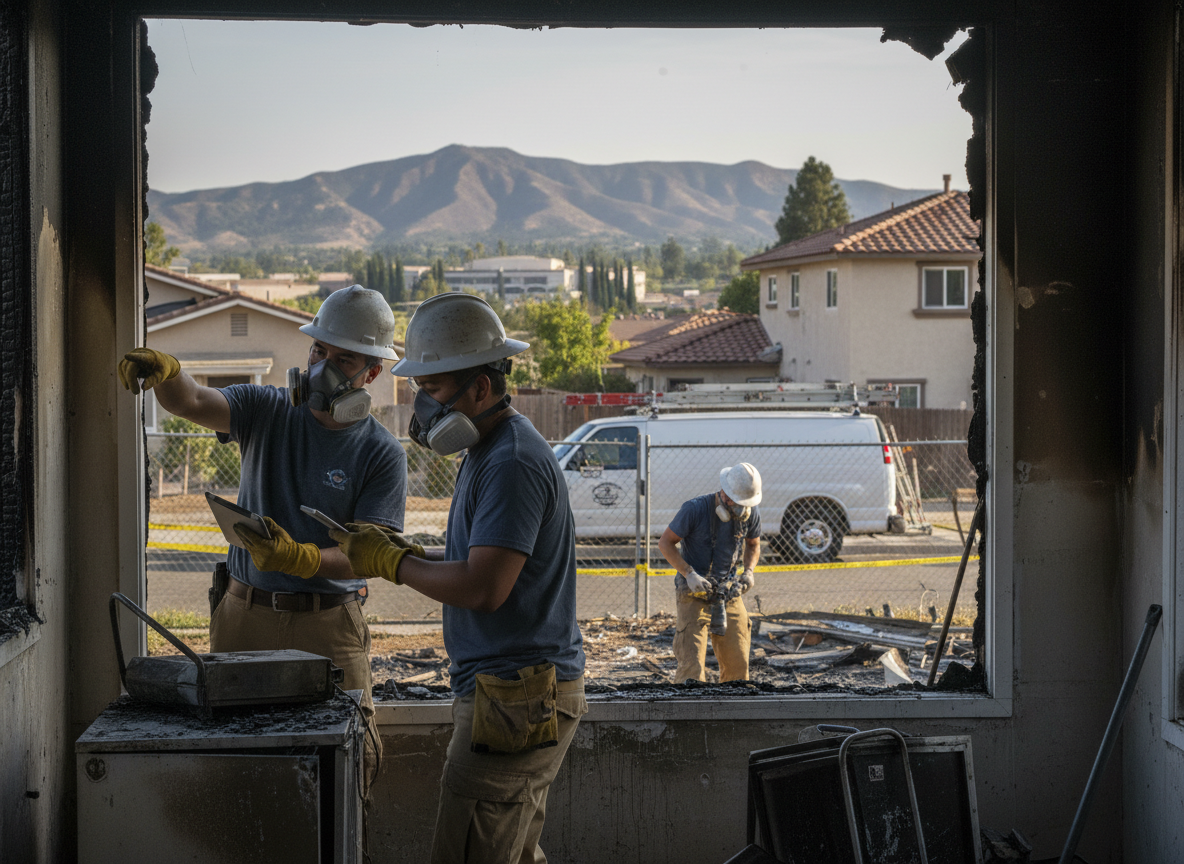
Accurate documentation of fire losses near CSUN begins with immediate, timestamped photos of every affected room, structural element, and personal item before any cleanup or movement occurs. Homeowners in Northridge East and Northridge West often face challenges from the area's mix of 1960s ranch homes and multi-unit buildings near Reseda Boulevard, where smoke travels through shared walls and attics quickly during hot summer months. Creating a written log that notes the date, time, and exact location of each photo or video strengthens the claim file. This initial record prevents disputes over what existed before the fire and what damage occurred afterward.
Capturing Comprehensive Visual Evidence
Photographs must include wide shots of entire rooms, close-ups of charred materials, and views of smoke patterns on ceilings and walls. In the CSUN Campus Area, many properties sit on sloped lots that direct smoke and soot downward into lower levels during the Mediterranean climate's dry, windy periods. Number each image in a corresponding notebook entry that lists the room, item description, and any visible damage extent. Video walkthroughs add context by showing how smoke residue coats surfaces across multiple connected spaces. Store all files in cloud backups with clear file names that include the property address and incident date.
Building an Itemized Inventory List
An itemized list should cover every damaged belonging with purchase dates, original costs, and current replacement values noted in digits. Residents near Northridge Fashion Center often discover that older furniture and electronics in 1970s-era homes require separate valuation because replacement parts are scarce. Group entries by room and include serial numbers for appliances or electronics when visible. Cross-reference each entry to the matching photographs to create a single, organized document insurers can review without confusion. This method reduces back-and-forth questions during the claims process.
Addressing Structural and Hidden Damage Notes
Structural elements such as framing, insulation, and electrical systems need separate documentation because fire can compromise them without obvious surface signs. Properties along Reseda Boulevard frequently contain older wiring that requires professional inspection after even small kitchen fires. Note any odors, discoloration, or softening of materials in the written log, then reference the related guide on how to spot hidden smoke residue in Northridge houses after nearby fires. Include measurements of affected square footage and descriptions of materials like drywall thickness or attic insulation type. These details help adjusters understand the full scope before repairs begin.
Coordinating with Local Service Providers
Share the completed documentation package with restoration teams that handle structural repair after fire to ensure their reports align with the claim file. In Los Angeles County neighborhoods such as Chatsworth and Granada Hills, crews familiar with local building codes can add notes about required permits that affect claim timelines. Keep copies of all communications and inspection reports together with the photo inventory. This coordinated record supports faster decisions when additional damage appears during demolition.
Final Submission and Follow-Up Practices
Submit the full package to the insurance carrier with a cover letter that summarizes total estimated loss ranges based on the documented items. Homeowners in Porter Ranch and nearby areas often update the file as new information emerges from inspections, referencing the article on what influences fire damage cleanup costs in Northridge for context. Retain originals of every document and request written acknowledgment of receipt. Consistent follow-up calls logged with dates and representative names keep the claim moving forward without gaps.